
Nicotinamide adenine dinucleotide, or NAD+, is a coenzyme found in every living cell. It’s vital for turning nutrients into cellular energy and supporting key processes that keep your body running. NAD+ allows cells to function, repair themselves, and communicate, making it central to health and scientific research.
NAD+ stands for nicotinamide adenine dinucleotide in its oxidised form. It is a molecule made up of two nucleotides joined through their phosphate groups: one containing adenine, the other nicotinamide. This coenzyme operates in every cell, driving the processes that break down food for energy and helping to manage cell repair.
NAD+ alternates between two forms: NAD+ (oxidised) and NADH (reduced). Together, these forms enable thousands of reactions across the body, moving electrons to generate energy (ATP) through a process called cellular respiration.
NAD+ is crucial for life. Its main roles are to facilitate energy production, help in DNA repair, and keep cell communication pathways active. Processes like metabolism, immune response, and brain function depend on an adequate supply of NAD+. Without it, cells cannot efficiently convert food into energy or deal with damage.
Inside the cell, NAD+ acts as a key electron transporter. It receives electrons produced when glucose and fatty acids are broken down and then delivers them to metabolic pathways that produce ATP, the body’s primary energy currency.
NAD+ is also a cofactor for a group of enzymes called sirtuins and PARPs. These enzymes regulate inflammation, stress responses, and DNA repair. In this way, NAD+ helps protect the genome from everyday damage and supports cell survival under stress. Related mitochondrial research tools, such as SS‑31 (Elamipretide, 10 mg), are used in laboratory studies of mitochondrial protection and energy production.
NAD+’s fundamental functions include:
Most research shows that NAD+ levels naturally decline with age. Studies report up to a 50% drop in tissue NAD+ content from young adulthood to old age. This decline is significant as reduced NAD+ is linked with slower metabolism, greater DNA damage, and weaker cell repair systems. Animal models suggest that lower levels of NAD+ may contribute to age-related loss of muscle function, increased susceptibility to neurodegenerative processes, and metabolic disorders.
Multiple factors drive the age-related drop in NAD+. These include:
While NAD+ itself is not found in foods, your body builds it from precursors obtained through diet. These include niacin, nicotinamide, and tryptophan. Good sources are chicken, turkey, peanuts, and mushrooms for niacin, eggs, milk, fish, and fortified cereals for nicotinamide, and poultry, oats, and cheese for tryptophan. A balanced diet with these nutrients helps maintain healthy NAD+ synthesis.
Beyond diet, several lifestyle choices can help sustain or boost NAD+:
Regular physical activity increases NAD+ levels by stimulating production and recycling pathways. Intermittent fasting and caloric restriction, based on animal research, may also support NAD+ biosynthesis. Managing stress and getting quality sleep help limit NAD+ consumption by repair enzymes and inflammation over time.
As with any nutrition or lifestyle advice, reference the latest UK government health guidelines for safe and effective strategies.
Supplements such as nicotinamide mononucleotide (NMN) and nicotinamide riboside (NR) are precursors that research suggests can increase NAD+ levels in cells. While NMN and NR are widely marketed, most robust evidence so far comes from animal studies, with early human trials showing promise but not definitive results for healthy ageing or disease prevention.
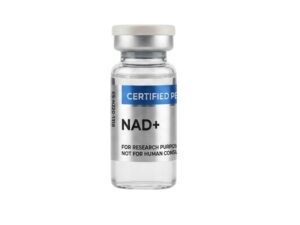
If you are a researcher, the NAD+ (500mg) research compound from Certified Peptides offers a high-purity option intended strictly for laboratory use. For more information on its applications and research-grade verification, view the detailed compound summary for NAD+ (500mg).
As of early 2024, NMN is not legally classified as a food supplement or licensed medicine in the UK. Nicotinamide riboside (NR) is authorised as a novel food ingredient. Any claims about NMN or NAD+ supplements must meet strict MHRA and food labelling standards. Research compounds like those from Certified Peptides are supplied for laboratory use only and are not sold for human or animal administration.
If you wish to report a side effect or adverse event in the UK, the MHRA Yellow Card scheme is the formal channel.
Most evidence for NAD+ supplementation improving health or longevity comes from animal research. Studies in mice have linked increased NAD+ with improved metabolic health, resistance to neurodegenerative change, and enhanced muscle function. In laboratory settings, researchers use NAD+ to investigate cell signalling, stress response, and metabolic function. Researchers also investigate mitochondrial-derived peptides like MOTS‑c (10 mg) to study mitochondrial function, energy metabolism, and cellular stress responses in vitro.
Human trials remain limited. While some early results are promising, suggesting possible benefits for metabolic health and cell repair, findings are not yet conclusive. NAD+ research continues to grow in the UK and globally as scientific tools and understanding develop.
A decline in NAD+ may contribute indirectly to symptoms such as low energy or muscle weakness, especially in older adults. Depleted NAD+ reduces cells’ capacity to produce energy and repair themselves, which could impact how people feel or function. However, such symptoms are common to a range of conditions. Always consult your GP or a qualified health professional if you experience persistent fatigue or other health problems.
This article is intended for informational purposes only and not as medical advice. For researchers, Certified Peptides provides NAD+ (500mg) as a rigorously tested, high-purity compound for laboratory investigations.
See our NAD+ (500mg) product page for independent verification and detailed specifications.
No. All products, including NAD+ (500mg), are supplied strictly for laboratory research. They are not for human or animal administration, diagnosis, or therapy.
Yes. Each batch includes third-party testing, a Certificate of Analysis, and batch identification to confirm identity and purity for research use.
Orders are dispatched from within the UK using tracked delivery services. You will receive confirmation once your order has been shipped.
Yes. Storage and handling instructions are provided on the product page and label. Follow the guidance precisely to maintain research integrity.
NAD+ is sold to customers purchasing for legitimate laboratory research purposes only. By ordering, you confirm research-only use.